















Turning Old Cars Into Greener Futures: The Environmental Side of Cash for Cars
Learn how car recycling helps reduce landfill and pollution while supporting sustainable practices. Discover how Car Wreckers Sydney plays a key role in this change.

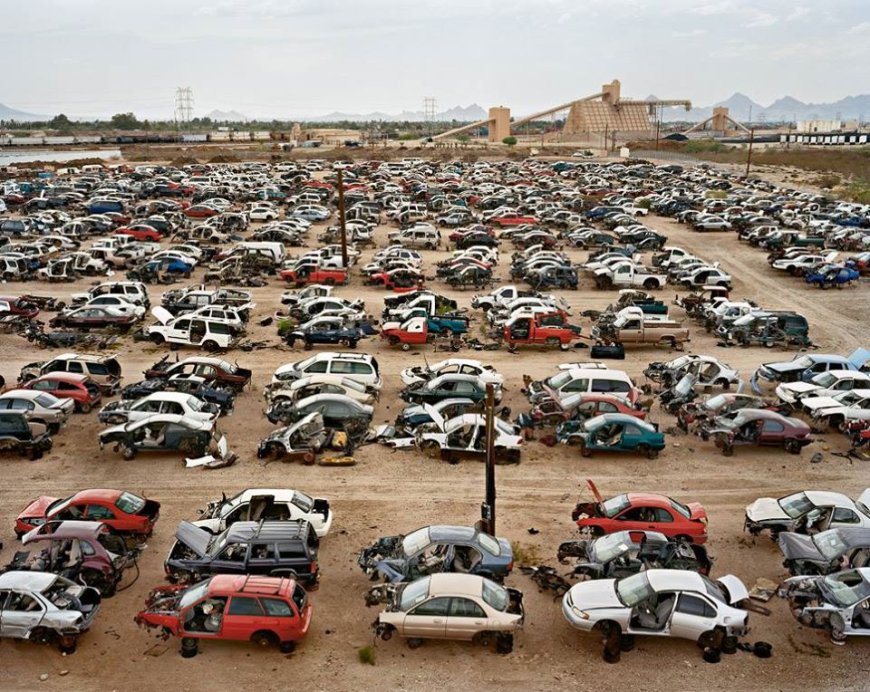
Cars are part of daily life in Australia, but when they reach the end of their road, their impact does not stop. Each year, thousands of vehicles are taken off the roads. What happens next plays a large part in protecting the land, water, and air. Turning old cars into parts and scrap is not just about clearing space or earning cash. It helps to shape a greener and cleaner future.
This process, often linked with car removal and recycling services, shows that even damaged or unused vehicles can be useful once again not on the roads, but in the systems that support sustainable living.https://www.carremovalsydney.com.au/
1. What Happens to End-of-Life Vehicles
An end-of-life vehicle is a car that can no longer be driven or repaired to meet road safety rules. Some are too old. Others have been damaged beyond repair in a crash or natural event. Once these vehicles are removed, they are sent to a yard or recycling site.
The first step is to drain all fluids. Oil, fuel, brake fluid, and coolant are taken out and stored safely. If not handled the right way, these liquids can seep into soil or water and cause damage to plants, animals, and people.
Once the fluids are cleared, parts like tyres, batteries, windows, and wheels are removed. These parts are stored, reused, or sent to recycling centres. The remaining metal frame is then crushed and prepared for scrap metal processing.
2. How Car Recycling Helps the Environment
Recycling a car helps save resources and energy. Making new metal from raw materials uses more energy than using recycled steel. For example, the Australian Bureau of Statistics notes that recycling metal uses up to 95 percent less energy compared to refining it from ore.
By keeping metal, rubber, plastic, and glass out of landfill, car recycling also stops harmful waste from building up. Tyres, for instance, do not break down in soil and can become a fire risk if stored in large piles. Recycled tyres can be used in roadworks or as part of new building materials.
Also, many older vehicles still hold working parts. By saving and selling them, scrap yards reduce the need to make new ones. This lowers demand for new manufacturing and helps cut back on factory emissions.
3. Impact on Air, Water, and Land
Older cars often leak fluids or release gases that harm the air. When they are left sitting in backyards or fields, these vehicles can leak into soil or flow into drains after rain. That is why proper car removal is so important.
Scrap yards that follow environmental laws handle each vehicle with steps that reduce harm. They use containers to collect fluids and follow safety rules for handling batteries and electronics.
By removing wrecked or broken cars from places where they can leak or break down, these services help stop further harm to the land and water around towns and suburbs.
4. Role of Car Wreckers and Local Services
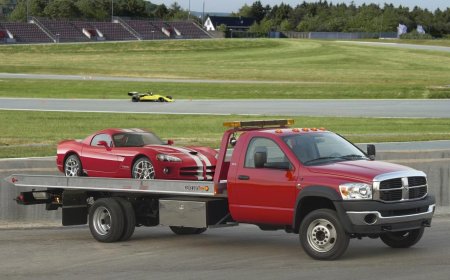
Across cities like Sydney, wrecking services help support this system. They collect cars from homes, businesses, and roadside yards. These vehicles are taken to sites where trained teams check and break them down.
Services that deal in Car Wreckers Sydney handle both standard cars and larger vehicles. Their work includes sorting, separating, and sending materials to proper recycling centres. It is a job that joins the car trade with the recycling industry, helping both to work in ways that lower waste and protect resources.
A Cleaner Way to Clear Your Driveway
Many households hold onto old or unused vehicles for years. These cars may no longer run, but they still take up space and carry the risk of leaks and damage. Getting rid of them may feel like a large task, but there are services that handle the full process from collection to paperwork to proper disposal.
That is where Car Removal Sydney can be part of the solution. By collecting old vehicles and sending them through a safe and responsible system, the service helps reduce pollution while freeing up space. They work with local yards and recycling teams, making sure that each vehicle is dealt with in the right way. The parts that can still be used are kept, and the materials that can be recycled are sorted. It connects removal with the bigger picture of environmental care.
5. Metal and Material Recovery
Once a vehicle is stripped of usable parts, the shell is often crushed and sent to a shredder. These machines break down the frame into small pieces. Metal is pulled out using magnets, while other materials like rubber, plastic, and glass are separated through different machines.
This process allows almost every part of the car to be reused. Steel goes into construction. Plastics can be turned into road signs or bins. Even old glass can be melted down and shaped into new panes or bottles.
Australia has strong recycling rules, and many yards follow strict codes to make sure the recovery of materials is done safely and properly.
6. Building a Culture of Reuse
Car recycling is part of a larger change. Across Australia, more people are looking at ways to reuse what they have instead of sending items to waste. In the case of cars, this includes not just fixing parts, but making sure old vehicles are sent to the right places when their life on the road ends.
Schools, councils, and businesses are also starting to support this shift. Public awareness campaigns, new waste laws, and better recycling methods all help build this culture. Car removal and wrecking services are one part of the change, but their work has a strong and clear impact.
Final Thoughts
The end of a cars life does not have to be the end of its use. When handled the right way, old vehicles can be turned into parts, steel, rubber, and other materials that serve new roles. They may no longer drive, but they still help reduce waste, save energy, and protect the environment.
Across Australia, scrap yards and removal services are helping build this future one old car at a time. With the right steps and care, what once was a broken-down car can become part of something cleaner, safer, and stronger for the generations ahead.