















How to Train Employees on Business Internet Security Best Practices
Discover effective strategies to train employees on business internet security best practices and safeguard your organization from cyber threats.
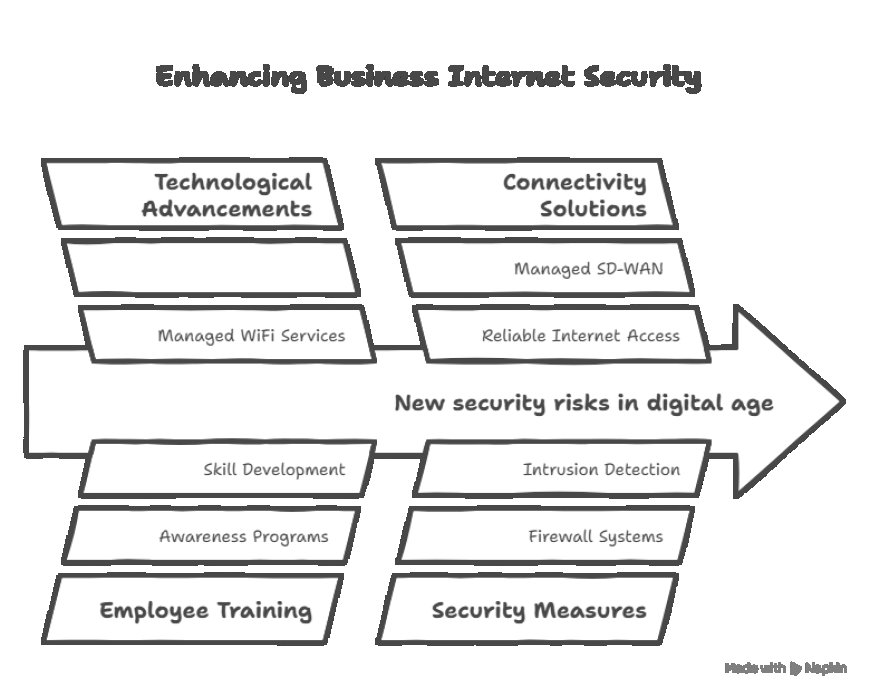
In today's digital age, every businesslarge or smallrelies heavily on the internet to perform daily operations. While technological advancements likeManaged WiFi Services in Canada, VoIP solutions for business, and Managed SD-WAN Canada have improved productivity and connectivity, theyve also introduced new security risks. Your employees are the first line of defense against cyber threats, making employee training on business internet security more critical than ever.
Why Business Internet Security Matters
Cybersecurity breaches can lead to data loss, reputational damage, and financial losses. Businesses using advanced digital toolslike Enterprise Telecom Expense Management Solutions or cloud-based platformsare often targeted by cybercriminals looking for vulnerabilities.
Training your employees on business internet security best practices is essential to prevent such attacks. Heres how you can do it effectively.
Step 1: Start with a Security Policy
Create a clear, concise internet security policy that outlines acceptable and unacceptable behaviors. It should include:
-
Password management guidelines
-
Rules for using public WiFi
-
Use of company-owned vs. personal devices
-
Phishing awareness protocols
Ensure that all employees read and sign this document as part of their onboarding process.
Step 2: Offer Hands-On Training Sessions
Conduct regular in-person or virtual training sessions that are easy to understand and interactive. Topics to cover include:
-
Identifying phishing emails
-
Secure use of VoIP solutions for business
-
Understanding firewalls and antivirus software
-
Safe internet browsing techniques
Include real-world examples and scenarios to make the training engaging.
Step 3: Promote Secure Use of Managed Services
If your company uses services like Managed SD-WAN in Canada or Managed WiFi Services canada, train your employees on how to use them securely:
-
Dont share login credentials
-
Use encrypted connections
-
Log out after each session
Working with a reputable provider of Enterprise Telecom Expense Management Solutions ensures your systems are optimized and secure, but human error can still be a risk.
Step 4: Encourage Password Hygiene
Strong, unique passwords are essential for every platform. Encourage the use of password managers and enforce two-factor authentication (2FA) wherever possible. Regular password updates should be part of your security protocol.
Step 5: Simulate Real Cyber Attacks
One of the best ways to test employee knowledge is through phishing simulations and mock security incidents. These exercises help employees recognize threats in a controlled environment and learn the appropriate responses.
Step 6: Provide Ongoing Education
Cyber threats are constantly evolving. Offer regular refresher courses, newsletters, and updated training sessions to keep your staff informed of the latest risks and tools. Partnering with experts in Managed WiFi Service in Canada or VoIP solutions for business can also offer employees additional resources and insights.
Step 7: Build a Culture of Security
Make internet security a part of your company culture. Encourage employees to report suspicious activity without fear of blame. Recognize teams or individuals who demonstrate best practices.
Final Thoughts
Training employees on business internet security is not a one-time taskits an ongoing commitment. With the right tools, such as Enterprise Telecom Expense Management Solutions, Managed SD-WAN, and VoIP for business, combined with strong employee awareness, you can protect your business from costly cyberattacks.