















Starting TPN at Home What You Should Know
Total Parenteral Nutrition, commonly known as TPN at Home Dubai is a method of delivering essential nutrients directly into the bloodstream.

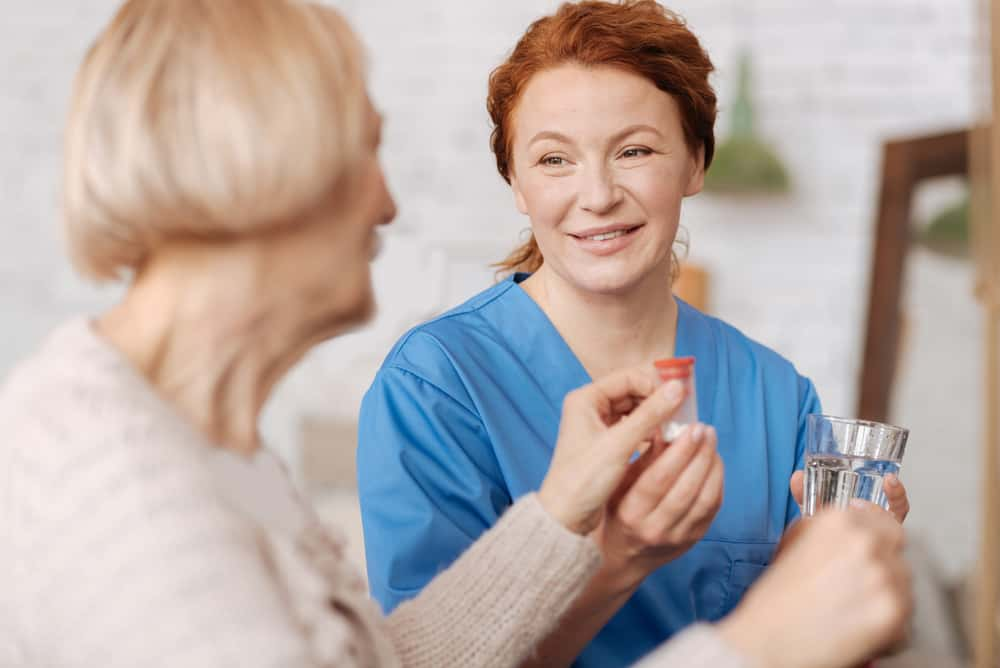
Total Parenteral Nutrition, commonly known as TPN, is a method of delivering essential nutrients directly into the bloodstream. It is typically used when the digestive system cannot absorb or process food effectively. This approach becomes crucial for individuals dealing with severe nutritional deficiencies or gastrointestinal conditions that make oral intake difficult or impossible.
TPN bypasses the digestive system entirely, supplying the body with a balanced mixture of proteins, carbohydrates, fats, vitamins, and minerals. It supports recovery, maintains organ function, and helps prevent the complications of prolonged malnutrition.
When Is TPN Necessary?
TPN is generally considered when the body cannot get sufficient nutrients through eating or tube feeding. This might be due to chronic illness, digestive tract disorders, or recent surgeries that affect the intestines. In these cases, TPN at Home Dubai acts as a lifeline, keeping the body nourished and preventing further health decline.
Symptoms such as ongoing weight loss, muscle wasting, severe fatigue, and the inability to keep food down for extended periods often point toward the need for advanced nutrition support. These signs indicate that traditional methods are no longer effective and that intravenous feeding may be the only solution.
Benefits of Receiving TPN at Home
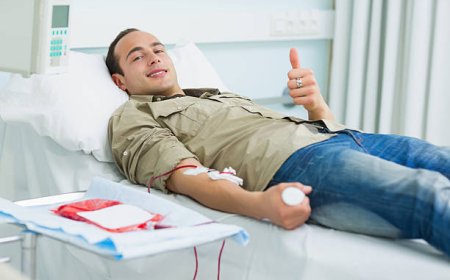
Transitioning from hospital-based care to home TPN offers several advantages. Patients gain comfort, autonomy, and the ability to stay connected to their regular environment. This approach helps reduce the stress and disruption associated with long-term hospital stays, allowing for a more stable and personalized healing process.
Receiving TPN in a home setting also supports emotional wellness. Individuals often feel more relaxed and empowered in their own space. The familiarity of home encourages better adherence to treatment and can contribute positively to overall outcomes.
Preparing for the Transition to Home Care
Before beginning TPN at home, several preparations must be made to ensure safety and effectiveness. A central line, such as a PICC or port catheter, is typically inserted into a large vein. This serves as the pathway through which the nutrient solution is administered.
A detailed care routine is also established. This includes guidelines on how to handle the equipment, store the nutrient mixture, and maintain a sterile environment to prevent infection. Learning these steps can seem overwhelming at first, but with practice and proper support, they become a manageable part of daily life.
Daily Routine and Maintenance
Managing TPN at home involves following a consistent schedule. Infusion times vary depending on individual needs and medical advice. The process usually takes place over several hours, often overnight, so that daytime activities are less affected.
Maintaining cleanliness is essential. Proper handwashing, sterilizing equipment, and checking for signs of infection or line complications are all part of the daily routine. Close attention to these details helps keep the process safe and effective.
Monitoring Nutritional Progress
Once home TPN begins, progress is monitored regularly. Blood tests may be used to check nutrient levels, liver function, and hydration status. Weight, energy levels, and overall physical strength are also evaluated to ensure the body is responding well.
Adjustments are sometimes needed as the patients condition evolves. This might involve changes in the composition of the nutrient formula, timing of infusions, or hydration balance. Open communication with the care team ensures that these changes are made promptly and appropriately.
Staying Active and Independent
Home TPN doesn't mean giving up everyday life. Many individuals continue to work, study, or participate in activities while managing their nutrition therapy. With careful planning and a structured routine, it becomes possible to balance health needs with personal goals.
Mobility may be slightly restricted during infusions, but portable infusion pumps and backpacks make movement easier. Independence and confidence often increase over time as individuals become familiar with managing the process on their own.
Addressing Emotional and Social Aspects
Starting TPN can bring emotional changes as well. Feelings of isolation, frustration, or fear may surface at first. Its important to acknowledge these emotions and seek support when needed. Talking with family, friends, or others with similar experiences can help normalize these feelings.
Maintaining social connections and a sense of routine plays a key role in emotional resilience. As comfort with TPN grows, many people find a renewed sense of control and optimism about their health journey.
Building a Support System
Having a reliable support network can make a significant difference. This includes caregivers, family members, or friends who assist with daily care or provide encouragement. Education and preparation empower caregivers to help manage the routine while minimizing risk.
In addition, access to trained healthcare professionals remains vital. Even while receiving care at home, regular communication with providers helps address concerns, manage symptoms, and support long-term success with TPN therapy.
Safety Considerations and Home Environment
The home environment must be adapted to accommodate TPN safely. A clean, organized space for storage and administration helps reduce risks. Essential supplies should be easily accessible, and steps should be taken to avoid contamination.
Staying alert for early signs of infection, such as redness, swelling, or fever, is essential. Prompt attention to these symptoms protects against complications and ensures continued progress in recovery.
Adjusting to a New Normal
Adapting to life with TPN may feel like a major shift at first, but over time it becomes a familiar part of daily life. As routines develop and confidence builds, the focus can shift from managing treatment to rebuilding strength and enjoying life more fully.
With clear guidance and a consistent approach, many individuals lead fulfilling, active lives while receiving TPN at Home in Dubai. The goal is to support wellness in the most flexible, comfortable setting possible.
Conclusion
Starting TPN is a significant step, but it is also a powerful tool for regaining health when traditional nutrition is no longer effective. Transitioning to home care brings added benefits, including comfort, control, and improved quality of life. By staying informed, prepared, and supported, individuals can manage TPN with confidence.
TPN at Home in Dubai offers a practical solution for those needing long-term nutrition therapy without hospital dependency. With the right mindset, care routine, and professional guidance, home-based TPN can be both safe and empoweringrestoring energy, balance, and independence on the path to recovery.