















Minimalist Living: Why Less Is Often More
The core of minimalism is to prioritize quality over quantity. By removing excess, individuals make more space for what they truly value — be it relationships, health, hobbies, or work.


In a world where we are constantly encouraged to own more, do more, and be more, minimalism offers a different perspective. It's not about giving everything up. Instead, its about focusing on what truly matters. Minimalist living encourages individuals to simplify their lives by cutting down on excess possessions and distractions, helping them live with intention.
This blog post breaks down the core ideas behind minimalist living and how adopting this lifestyle can lead to more clarity, less stress, and improved overall well-being. Whether you're someone curious about downsizing your home or looking to reduce mental clutter, this post will walk you through the benefits of minimalism with practical insight.
What Is Minimalist Living?
Minimalist living is a lifestyle choice centered around the idea of less is more. It's about intentionally choosing to live with fewer material possessions and avoiding unnecessary consumption. But minimalism is not limited to physical items it also includes simplifying routines, digital use, and even relationships.
Key principles of minimalist living:
-
Owning only items that serve a purpose or bring value
-
Cutting down on waste and clutter
-
Making thoughtful purchases
-
Creating space for personal growth and reflection
-
Being present in daily life
Its not about living in an empty apartment or counting your belongings. Its about making intentional choices that align with your values. For instance, the best disposable vape options are compact, straightforward, and easy to use offering convenience without unnecessary complexity. This trend toward minimalism extends across many consumer categories.
Why People Are Choosing Minimalism
The interest in minimalist living has grown steadily in recent years. More people are questioning the traditional path of bigger homes, packed closets, and constant upgrades. Economic shifts, rising living costs, and increased environmental awareness have all contributed to this shift in lifestyle.
Here are some reasons people are turning to minimalism:
1. Less Stress and More Time
Owning fewer things means spending less time cleaning, organizing, or shopping. Fewer obligations and distractions can also lead to more free time. Many people report feeling less overwhelmed and more in control of their lives after simplifying their routines.
2. Financial Freedom
Minimalists are usually more conscious about what they buy. They avoid unnecessary purchases and focus on quality rather than quantity. This can result in significant savings. Not chasing the next trend can help individuals prioritize long-term goals such as paying off debt, saving, or investing.
3. Reduced Environmental Impact
Owning less means consuming less. This reduces waste and your carbon footprint. Supporting sustainable practices, buying secondhand, or avoiding fast fashion are often part of a minimalist lifestyle.
4. Better Mental Health
Clutter is linked to anxiety and difficulty focusing. Minimalist spaces and lifestyles often lead to a calmer state of mind, improved decision-making, and better sleep. Letting go of what you dont need physically or mentally can be freeing.
How to Start Living with Less
Transitioning to a minimalist lifestyle doesnt have to be drastic. You can start small and adjust at your own pace. Here are steps to begin:
1. Declutter One Area at a Time
Start with a single drawer, shelf, or closet. Remove items you havent used in the past year or that no longer serve a purpose. Donate or recycle when possible. Over time, move on to bigger spaces.
2. Practice Mindful Purchasing
Before buying something new, ask yourself:
-
Do I really need this?
-
Does it serve a purpose or bring value?
-
Will it last?
This simple reflection can stop impulse buying and help you build better spending habits.
3. Simplify Your Schedule
Minimalism is also about time. Review your calendar. Are you overcommitted? Consider cutting back on activities that dont align with your goals or that drain your energy.
4. Go Digital Carefully
Digitizing files, bills, and photos can reduce physical clutter. But be careful of digital overload. Unsubscribe from emails you dont read, limit screen time, and focus on meaningful online activity.
5. Focus on What Matters
Minimalism encourages you to re-evaluate whats important. Spend time on relationships, health, and personal growth. Create routines that give you clarity and peace.
Minimalism in Everyday Life
Minimalism can be adapted to different aspects of life. Its not one-size-fits-all. Lets take a look at a few everyday examples:
At Home
-
Keep only essential kitchen tools and utensils
-
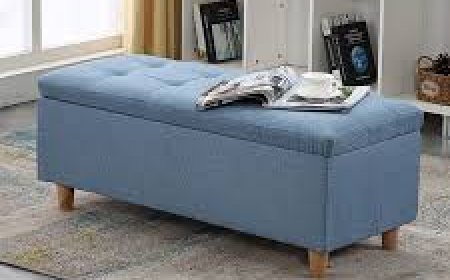
Use multipurpose furniture
-
Store seasonal items out of sight
-
Choose neutral, calming decor
At Work
-
Organize your digital files
-
Clear your workspace daily
-
Focus on deep work by limiting distractions
In Personal Habits
-
Choose a capsule wardrobe (a small number of versatile pieces)
-
Limit the number of personal care or tech items
-
Focus on hobbies that dont require a lot of gear
Even industries like vape stores have adapted to minimalist trends. Many now offer streamlined shopping experiences, curated selections, and cleaner designs in products.
Is Minimalism for Everyone?
Minimalism isnt about strict rules or following a checklist. Its about being intentional. For some, that might mean a tiny home with 50 possessions. For others, its simply saying no to overbooking their calendar or unsubscribing from promotional emails.
The key is finding your own version of minimalism. Try asking:
-
What are the things that bring value to my life?
-
What do I truly need to be content?
-
What am I holding onto just in case?
Answering these questions can help you create a lifestyle that feels lighter, calmer, and more meaningful.
Final Thoughts
Minimalist living offers a practical approach to managing modern life. By focusing on what truly matters and letting go of the rest, individuals can reduce stress, save money, and live more intentionally.
It doesnt require you to give up everything just to make space for what counts. Whether its having more time for family, a cleaner home, or clarity of mind, the benefits of minimalism can touch every part of life.
Remember, its not about having less for the sake of it. Its about making room for more more freedom, more purpose, and more peace.