















The Future of Automobiles: How EVs Are Reshaping the Industry
EVs are being driven by regulations, technology, and changing consumer expectations. Legacy automakers and new players are investing heavily in EV technology. Infrastructure and affordability remain key challenges. The future includes V2G, autonomous driving, and widespread electrification.

Electric vehicles (EVs) are changing how we think about driving, fuel, and transportation. As more countries push toward sustainable solutions and carmakers invest heavily in EV development, the automotive industry is going through one of its biggest shifts since the invention of the internal combustion engine. This blog explores how EVs are reshaping the industry, the challenges they face, and what the future might look like for drivers and manufacturers.
The Shift Toward Electric: Whats Driving It?
The move toward EVs is driven by a mix of regulation, technology, and consumer demand. Heres whats behind the shift:
Environmental Regulations
-
Governments are setting deadlines to phase out fossil fuel-powered vehicles. For example, the UK plans to ban new petrol and diesel cars by 2035.
-
Emission targets are stricter now than ever. EVs produce no tailpipe emissions, making them a clear choice for cleaner air.
Technological Improvements
-
Battery technology has advanced, resulting in longer ranges and faster charging times.
-
EV motors are more efficient than combustion engines, converting more energy from the battery into movement.
-
Software integration allows updates and diagnostics without visiting a service center.
Consumer Demand
-
More people are becoming environmentally conscious and looking for lower-cost fuel alternatives.
-
As more EV models hit the market, choices are increasing, from compact cars to full-size trucks.
-
Government incentives and tax credits help reduce upfront costs for new EV buyers.
How EVs Are Impacting the Traditional Automotive Industry
The rise of EVs is forcing legacy automakers and new startups to rethink their strategies. Here's how:
Manufacturing Changes
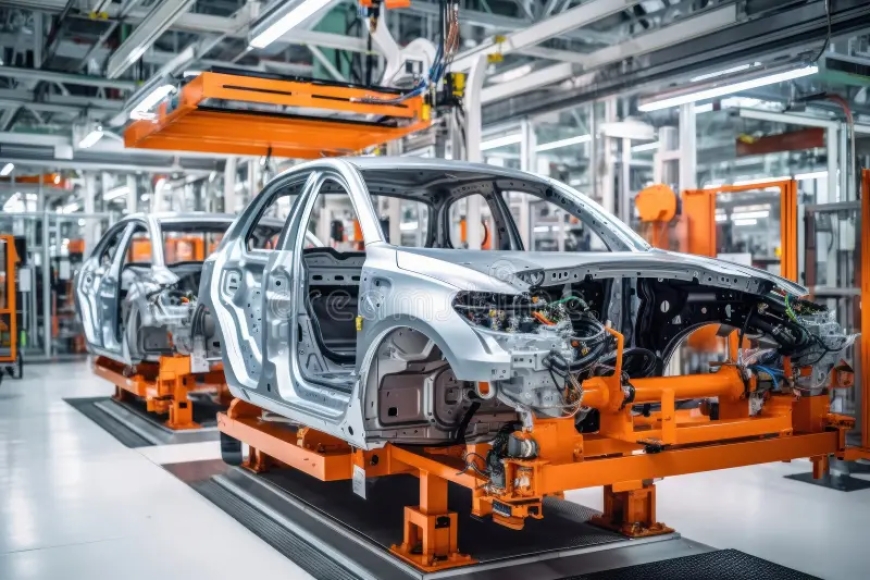
EVs have fewer moving parts than traditional vehicles, meaning:
-
Simpler manufacturing processes, often leading to lower long-term costs.
-
Less maintenance is required since there's no oil change, fewer fluids, and no exhaust systems.
This also means that some jobs related to traditional vehicle maintenance and manufacturing are at risk of becoming obsolete.
New Players Entering the Market
Startups like Rivian, Lucid Motors, and even tech companies like Apple (reportedly) are entering the EV market. This is disrupting long-standing industry dynamics and encouraging innovation.
-
Tesla's success has proven that newcomers can not only enter the industry but lead it.
-
Legacy automakers like Ford and GM are now investing billions into EV development.
Charging Infrastructure Development
Charging networks are growing to support EV adoption:
-
Public fast-charging stations are becoming more common along highways and in cities.
-
Home charging setups are easier to install, making overnight charging convenient.
-
Companies like ChargePoint, Electrify America, and Teslas Supercharger network are expanding rapidly.
how Disposable Vape products grew due to ease of use and reduced maintenance, EVs offer a similar appeal: cleaner, simpler, and more future-ready. This infrastructure development is just as important as the vehicles themselves.
The Real Challenges Ahead
EVs are not without hurdles. Some of the most pressing challenges include:
Battery Production and Raw Materials
-
EV batteries require lithium, cobalt, and nickel, which are limited and sometimes difficult to source ethically.
-
Mining and processing these materials can have environmental impacts, which must be managed carefully.
Range Anxiety and Charging Time
-
Though battery ranges have improved, range anxiety is still commonespecially for people in rural or cold regions.
-
Charging times can still take longer than a fuel stop, especially with standard chargers.
Affordability and Accessibility
-
Many EVs are still more expensive upfront than gas-powered vehicles.
-
Used EV markets are growing but are still limited.
-
Incentives vary widely by region, creating uneven access for consumers.
The Future of the Automotive Industry
Looking ahead, EVs will continue to play a major role in shaping how we travel and how vehicles are built.
Vehicle-to-Grid (V2G) Integration
-
EVs can potentially supply power back to the grid during peak hours.
-
This helps stabilize energy grids and could offer cost savings for vehicle owners.
Autonomous and Connected Vehicles
-
EV platforms are often built to support autonomous driving technology.
-
Software updates and connected systems will become standard, allowing vehicles to adapt over time.
Broader Electrification
-
Beyond personal vehicles, buses, trucks, and even construction equipment are going electric.
-
Commercial fleets are a big focus area, with companies like Amazon and FedEx investing in electric delivery vehicles.
Final Thoughts
EVs are here to stay and will continue reshaping the automotive industry over the next decade. As technology improves and more infrastructure is built, EVs will become more accessible and practical for everyone.
Whether you're a longtime car enthusiast or someone just starting to learn about sustainable transportation, its an exciting time to be part of the change. Like how the Vape Pen replaced traditional smoking for many users .